

Clevis at the rod end
Stroke: 70 mm
For a brake linkage with a matching clevis connection. The drawing shows a 20 mm clevis opening, a Ø15 mm hole at the clevis end and a Ø17 mm hole at the cylinder end.
View SPH340351 and the technical drawing.


Hydraulic Trailer Brake Cylinder
Clevis
Stroke: 70 mm

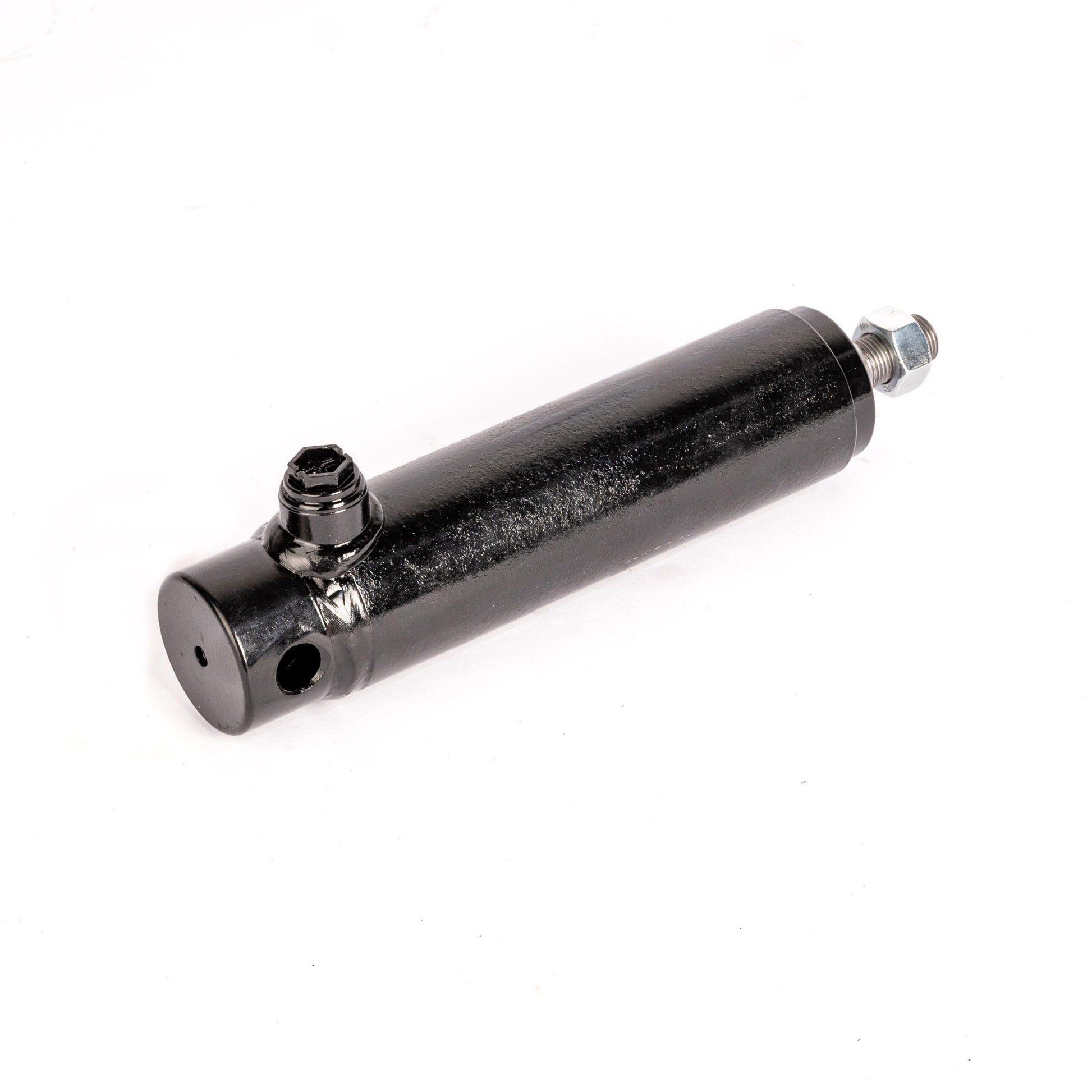


Hydraulic Trailer Brake Cylinder
M16×1.5 Threaded Rod
Stroke: 70 mm


Hydraulic Trailer Brake Cylinder
Ø12 mm Pin Holes
Stroke: 95 mm
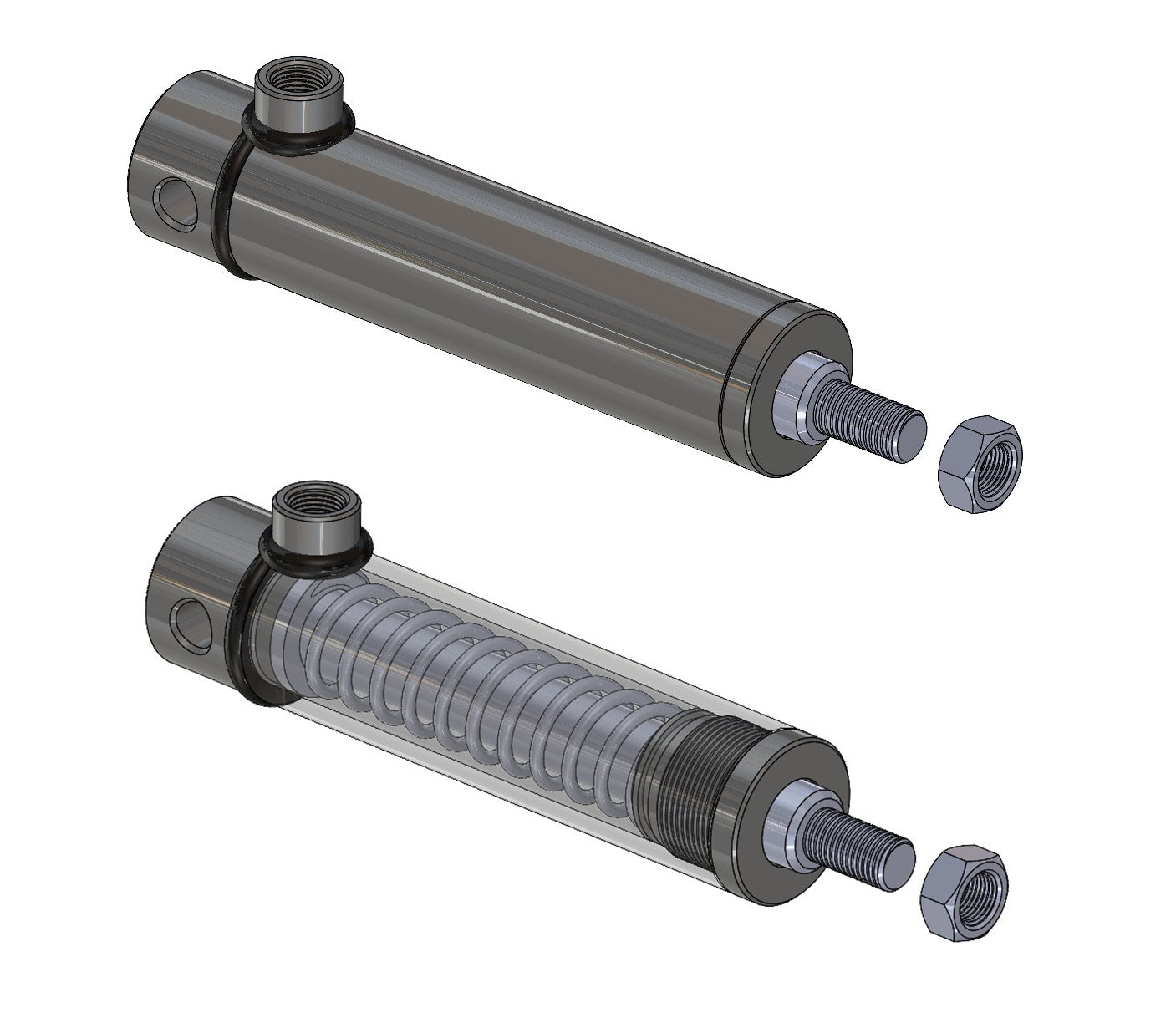
A hydraulic trailer brake cylinder uses hydraulic pressure to operate the mechanical brake linkage. This collection contains three single-acting versions with an internal return spring and 70 or 95 mm stroke. Compare the mounting, required operating travel and installation dimensions of your existing braking system.
Two brake cylinders with the same stroke are not automatically interchangeable. The brake linkage, trailer mounting and hydraulic connection must all match. Compare dimensions using the technical drawing for the selected version.
Stroke: 70 mm
For a brake linkage with a matching clevis connection. The drawing shows a 20 mm clevis opening, a Ø15 mm hole at the clevis end and a Ø17 mm hole at the cylinder end.
View SPH340351 and the technical drawing.
Stroke: 70 mm
With an M16×1.5 male thread at the rod end and a Ø14 mm mounting hole at the cylinder end. Also compare the existing connection to the brake rod.
View SPH340368 and the technical drawing.
Stroke: 95 mm
With Ø12 mm mounting holes at both ends. This version has 95 mm stroke; check that this travel matches the brake mechanism.
View SPH340448 and the technical drawing.
| SPH code | Stroke | Mounting |
|---|---|---|
| SPH340351 | 70 mm | Clevis at the rod end |
| SPH340368 | 70 mm | Threaded rod end |
| SPH340448 | 95 mm | Transverse mounting holes at both ends |
All three versions have a Ø25 mm piston rod. This does not mean that the other cylinder and mounting dimensions are identical. Select an SPH code to view the complete product drawing.
Measure the existing cylinder and mounting points before choosing a replacement. Compare the retracted position, required stroke, hole diameters or threads, and clearance throughout the movement. Use the same reference points as the drawing: overall length is not the same as the centre-to-centre distance between mounting holes.
A longer stroke is not necessarily better. The cylinder must match the operating travel of the existing brake linkage.
Hydraulic pressure produces the cylinder's working movement. When pressure is released, the internal return spring helps move the piston rod back. Additional springs or return components in the complete braking system remain necessary where required by its design.
These brake cylinders are intended for compatible hydraulically operated trailer brake mechanisms, including agricultural trailers behind tractors. Check the connection thread, operating pressure and requirements of the complete braking system. Matching the stroke alone does not establish suitability.
Have installation, adjustment and brake operation checked by a qualified mechanic. The selected cylinder must match the existing braking system both mechanically and hydraulically.
Looking for a cylinder for a function other than braking? See hydraulic telescopic cylinders for suitable tipping and lifting mechanisms, or return to all hydraulic cylinders.
Not automatically. SPH340351 has a clevis at the rod end; SPH340368 has an M16×1.5 male thread. The cylinder-end mounting and other installation dimensions also differ.
Stroke is the travel of the piston rod, not the cylinder's overall length. Match this travel to the movement required by the brake linkage.
No. The internal spring provides the cylinder's return movement. Other springs or return components required by the braking system must remain in place.
Compare mounting, stroke, installation dimensions, hydraulic connection and operating conditions with the existing cylinder and technical drawing. If in doubt, have the complete braking system assessed.
Send photos of the existing brake cylinder and both mountings. Include the stroke, measured installation dimensions, application and SPH number if known, so we can help identify the appropriate version.