

2-stage telescopic cylinders
Four models with strokes of 500, 620, 700 and 820 mm. The 700 mm model has different mounting arrangements from the other three; compare the drawings.
View 2-stage models


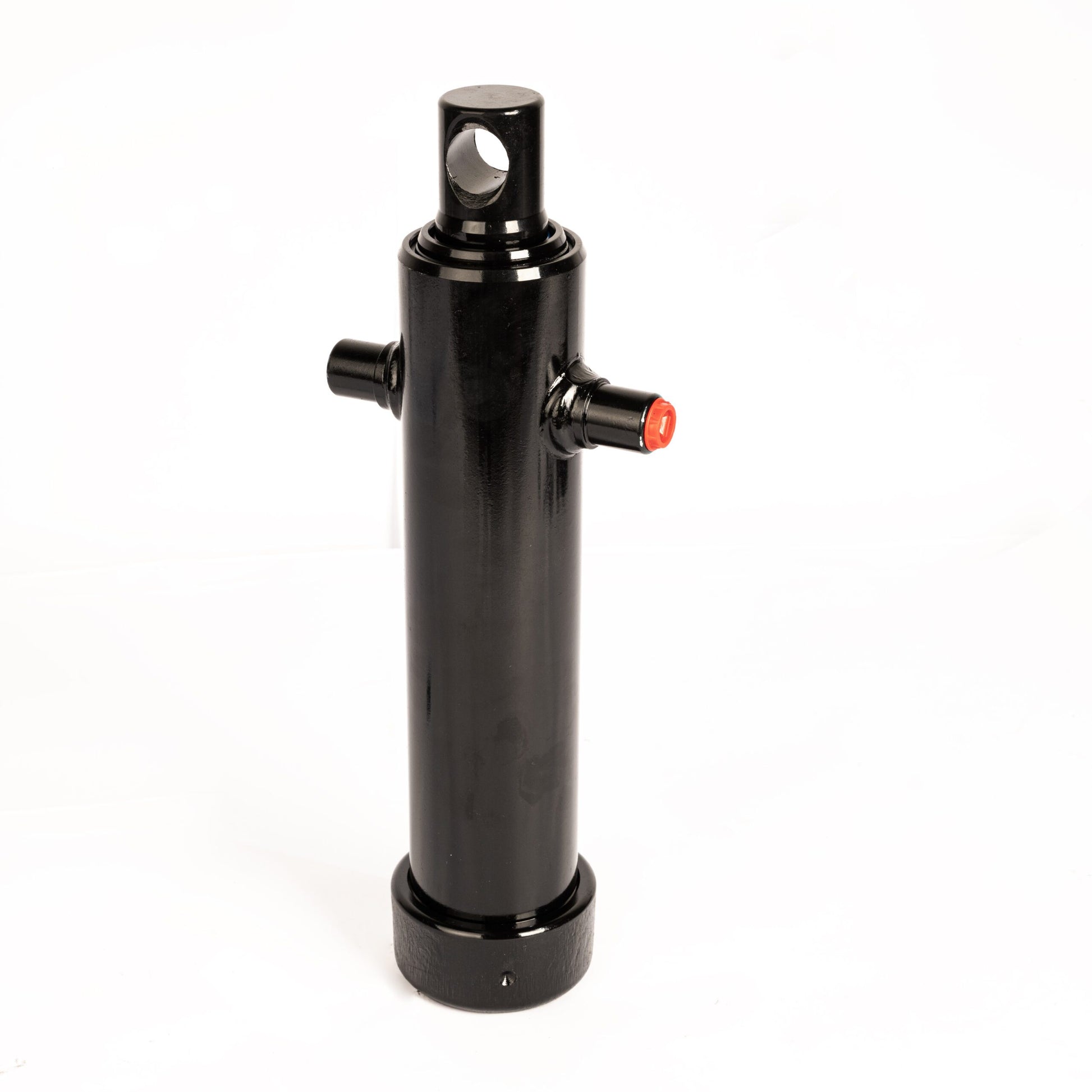
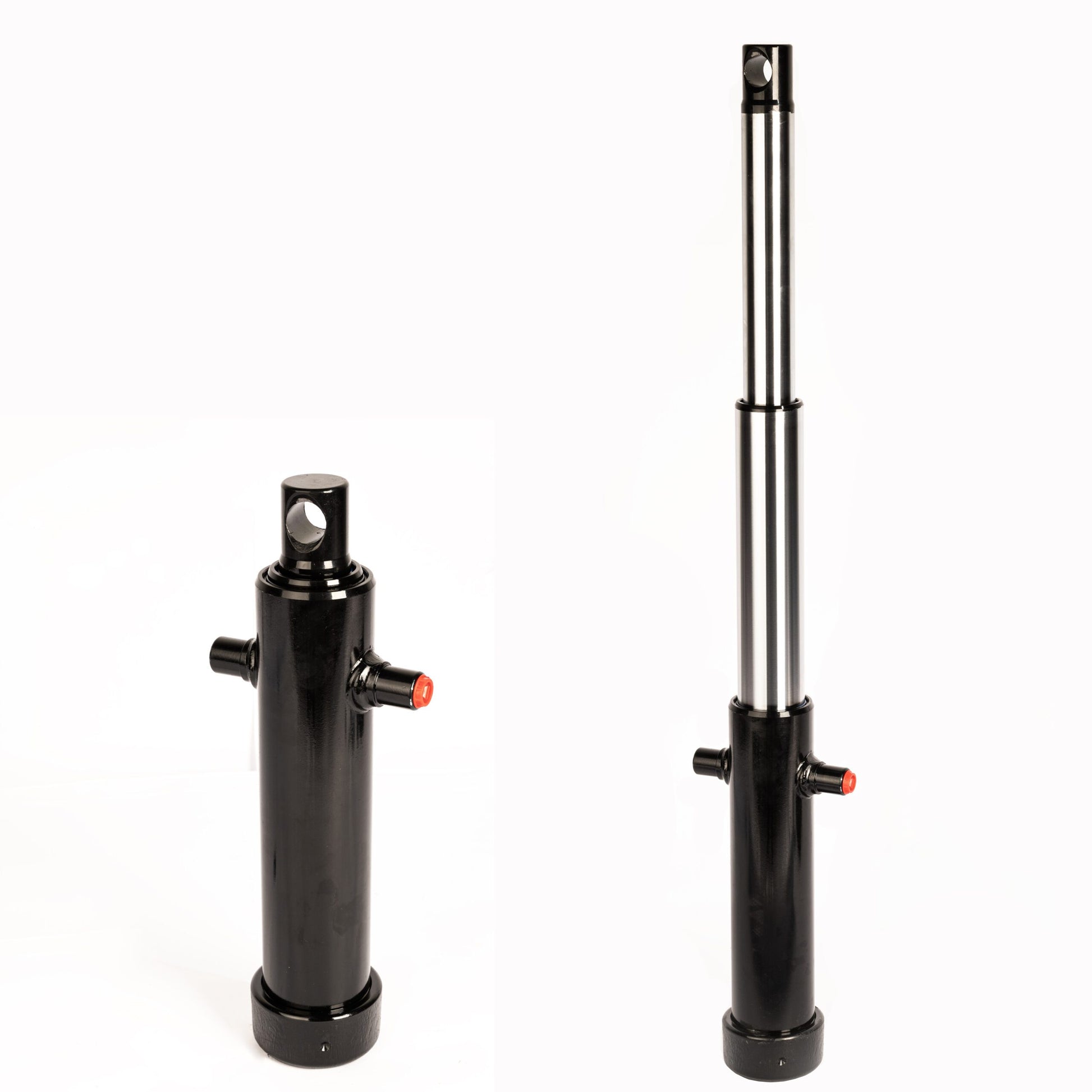
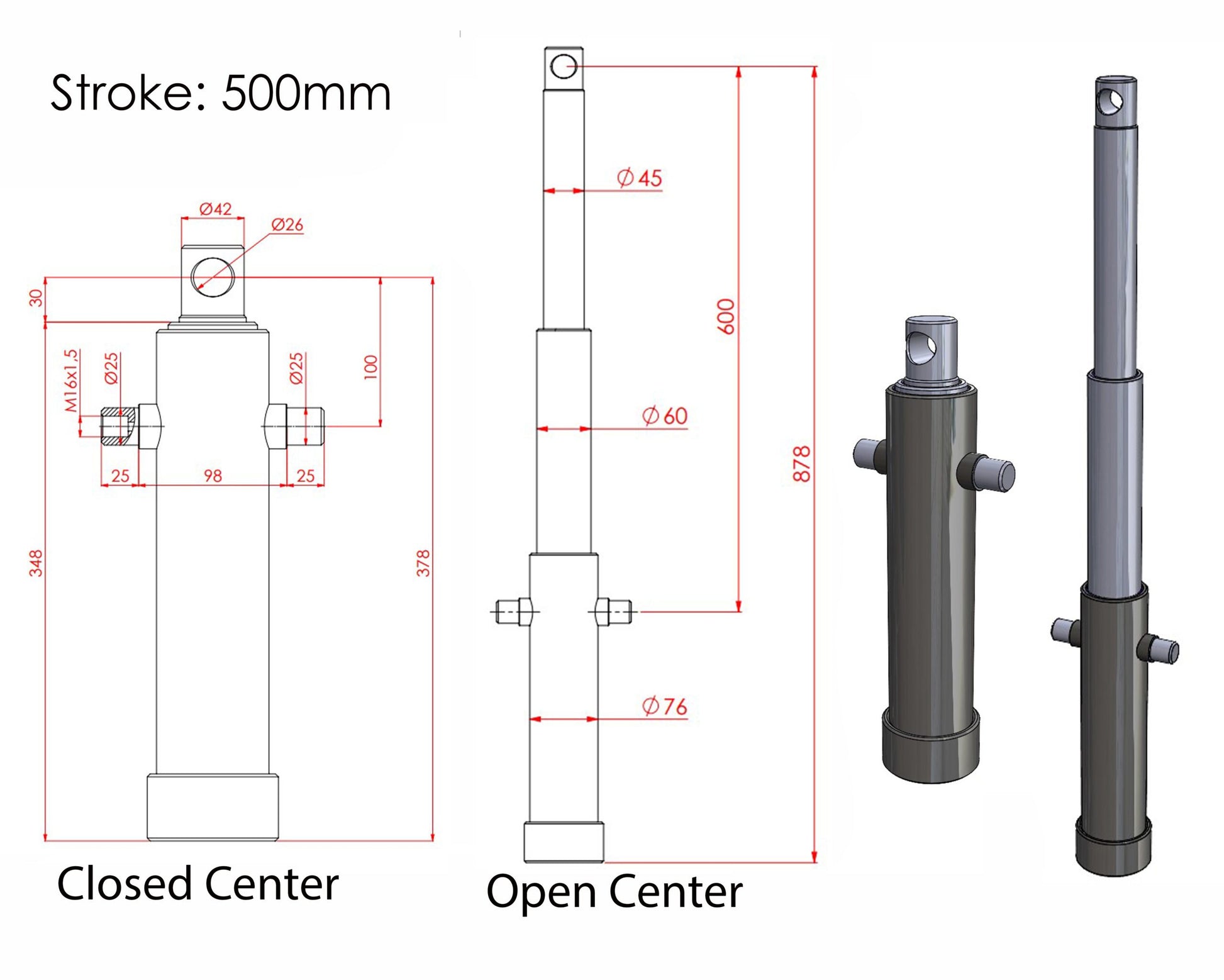

Hydraulic Telescopic Cylinder Stages 2 Stroke 500mm 6 Tonne
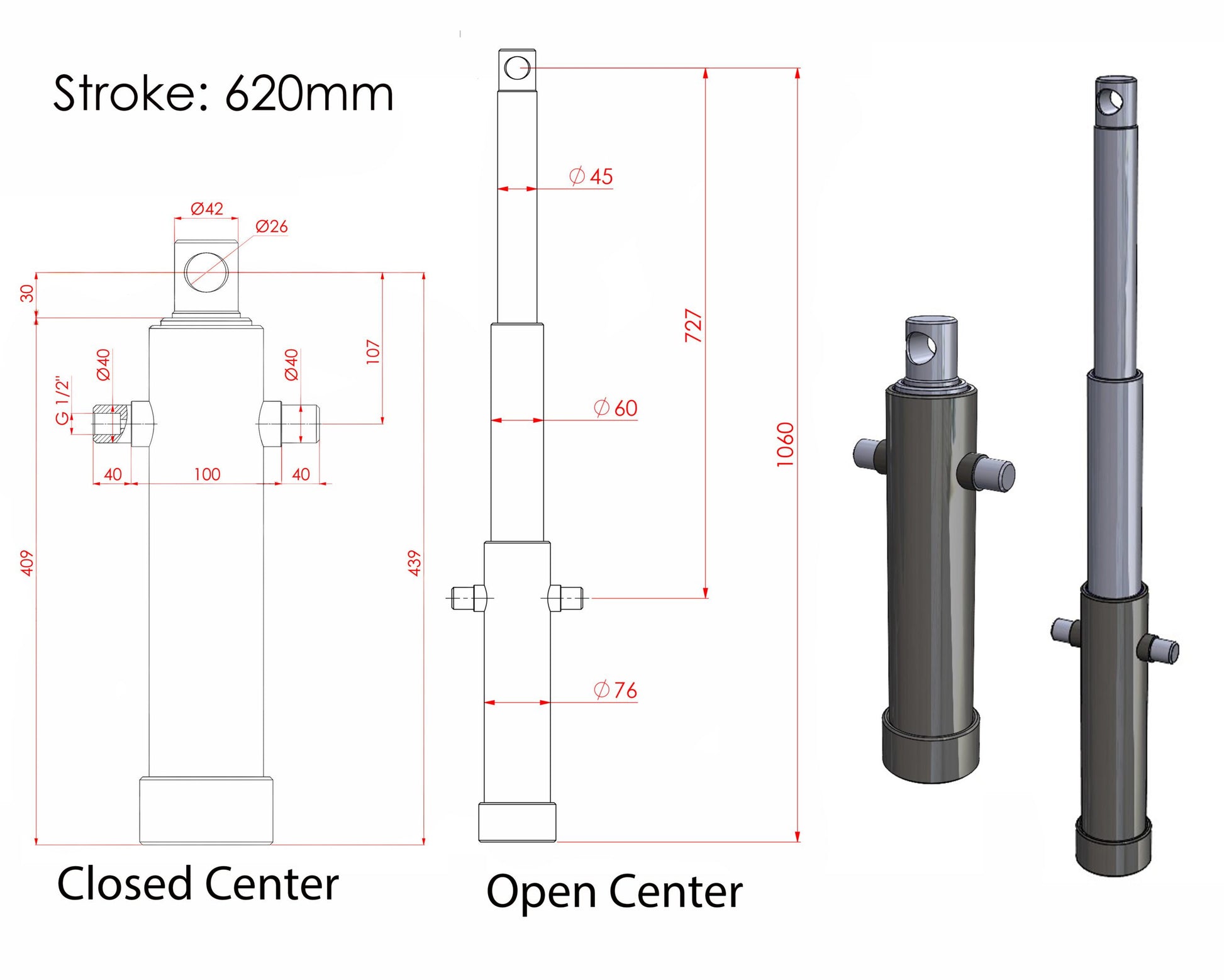
Hydraulic Telescopic Cylinder Stages 2 Stroke 620mm 6 Tonne
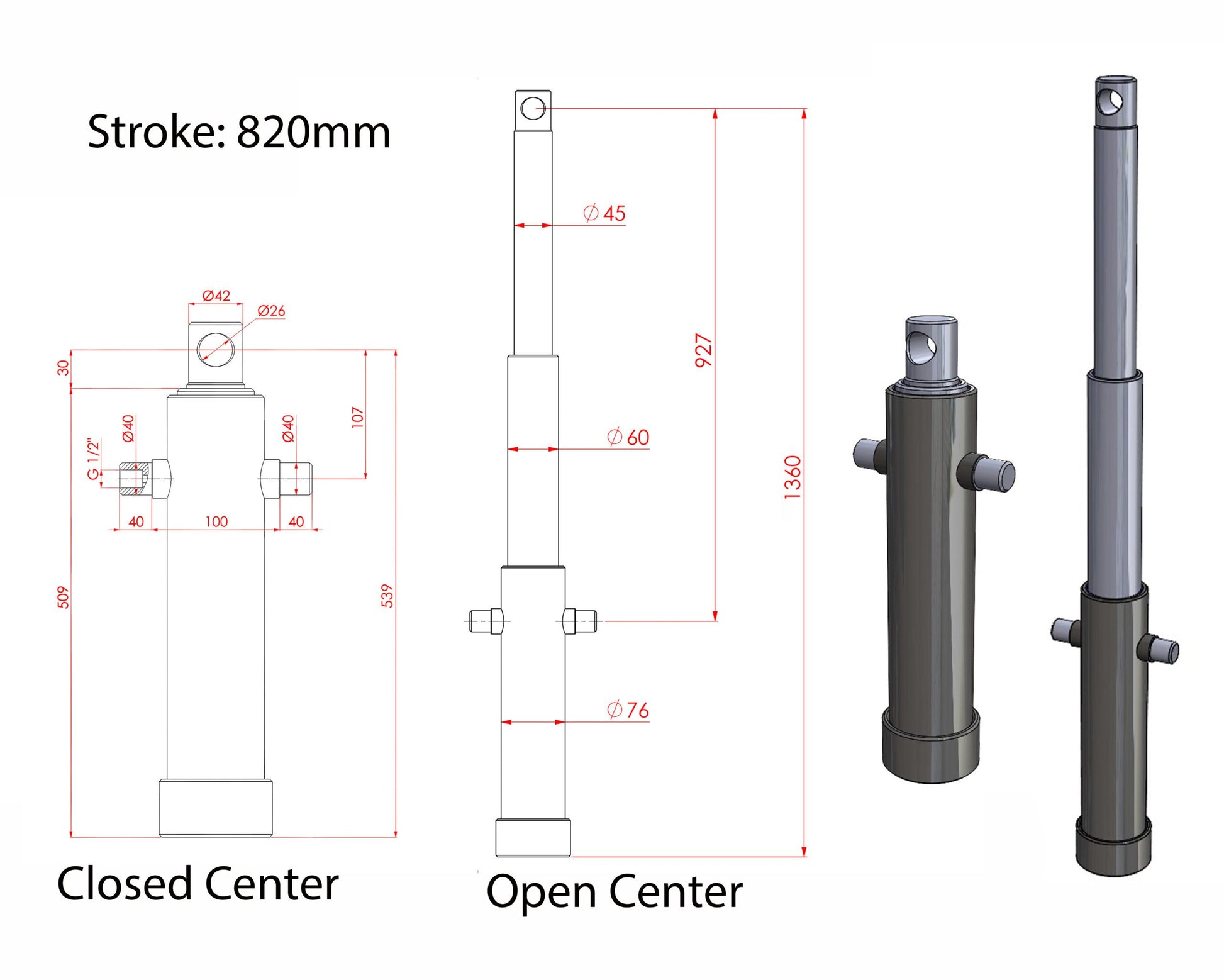
Hydraulic Telescopic Cylinder Stages 2 Stroke 820mm 6 Tonne

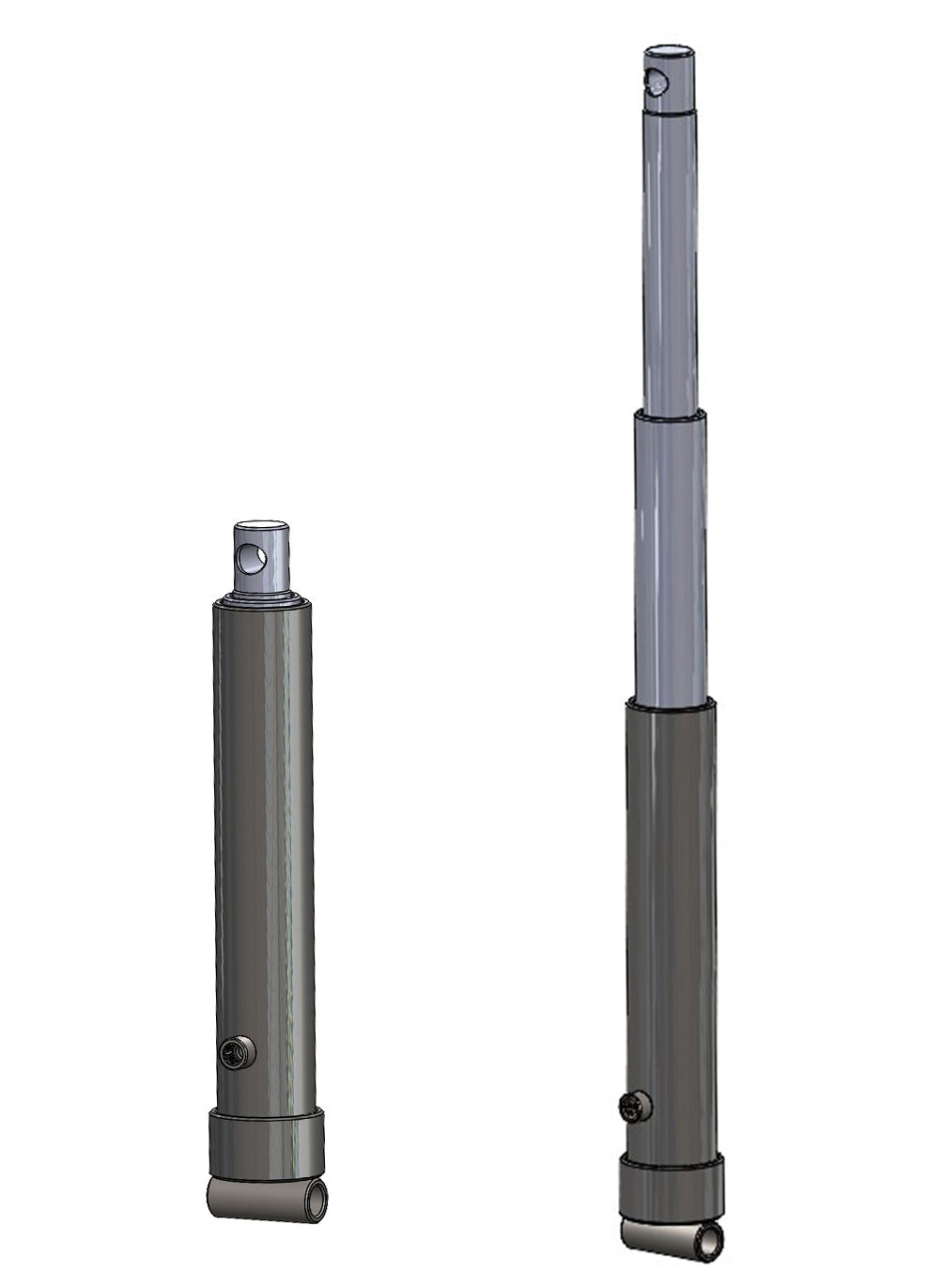
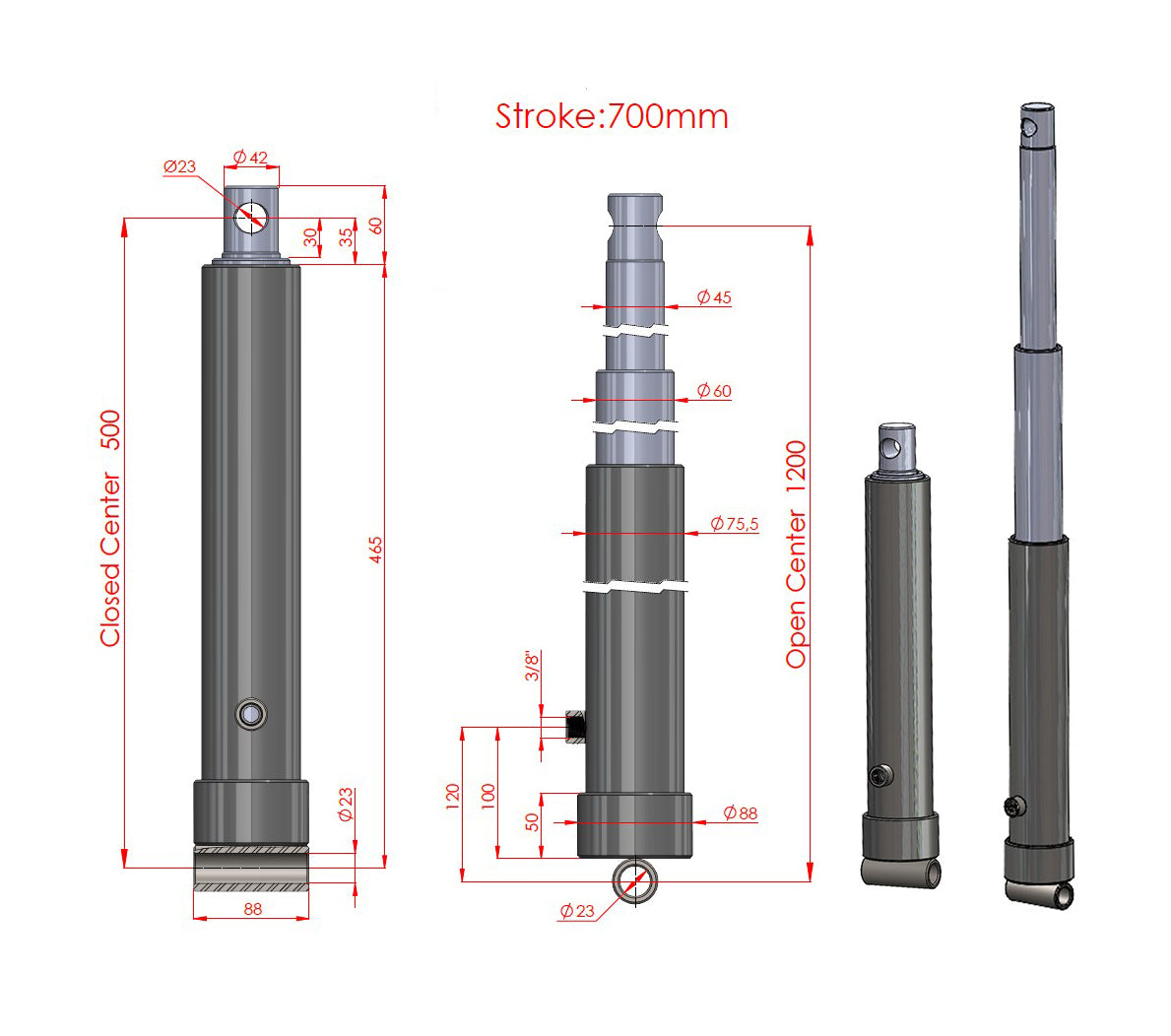
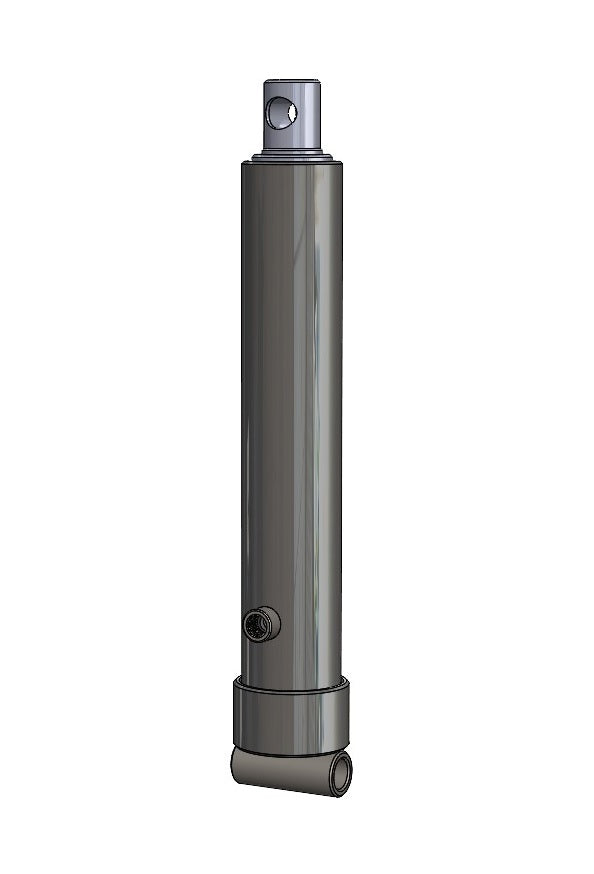

Hydraulic Telescopic Cylinder Stages 2 Stroke 700mm 6 Tonne


8-Ton 3-Stage Hydraulic Telescopic Tipping Cylinder - 570mm Stroke


8-Ton 3-Stage Hydraulic Telescopic Tipping Cylinder - 730mm Stroke


8-Ton 3-Stage Hydraulic Telescopic Tipping Cylinder - 912mm Stroke


8-Ton 3-Stage Hydraulic Telescopic Tipping Cylinder - 1030mm Stroke


8-Ton 4-Stage Hydraulic Telescopic Tipping Cylinder - 726mm Stroke


8-Ton 4-Stage Hydraulic Telescopic Tipping Cylinder - 945mm Stroke


8-Ton 4-Stage Hydraulic Telescopic Tipping Cylinder - 1150mm Stroke


Drill-driven hydraulic pump kit
A hydraulic telescopic cylinder has several extending stages, combining a long stroke with a relatively compact retracted length. Compare 2-, 3- and 4-stage models for your tipping or lifting mechanism and choose by stroke, installation space and mounting.
Neither the number of stages nor the stroke alone determines which cylinder fits. Compare the connections to the machine and moving part, the retracted length and the clearance throughout the movement. Then check the pressure and load specifications of the individual model.
Four models with strokes of 500, 620, 700 and 820 mm. The 700 mm model has different mounting arrangements from the other three; compare the drawings.
View 2-stage modelsFour models with strokes of 570, 730, 912 and 1030 mm. Check both the stroke and the side mounting and connection to the moving part.
View 3-stage modelsThree models with strokes of 726, 945 and 1190 mm. Compare installation space and mounting. More stages do not automatically mean a higher permissible load.
View 4-stage modelsStroke is the extension travel, not the overall length. Select an SPH code to see the product page and technical drawing. Mounting differs between models. Open the relevant group below to view codes and stroke lengths.
The 2-stage models with 500, 620 and 820 mm stroke have side mounting points on the cylinder and a hole in the extending end. The 700 mm model has mounting holes at both ends. The 3- and 4-stage drawings show side mounting and a movable connection with a mounting plate at the extending end.
Measure the mounting arrangement in your structure and compare dimensions and reference points with the product drawing. A different stroke can also mean different mounting dimensions.
Check the available space with the cylinder fully retracted and extended, using the same reference points as the drawing. Allow for the movement of the tipping body or lifting component: the required cylinder stroke is not necessarily equal to the vertical lifting height.
Match the cylinder to the complete structure and hydraulic system. Mounting positions and load distribution help determine the cylinder required. Use the specifications for the selected model; do not assume a single pressure or capacity rating for this entire collection.
A pump must suit both cylinder and system. Consider the drill-driven hydraulic tipping pump SPH390255 and check pressure, required oil volume and connections before choosing a combination.
No telescopic model needed? Compare Single-acting hydraulic cylinders or Double-acting hydraulic cylinders. Return to All hydraulic cylinders.
The number of stages indicates how many sections extend telescopically. Also compare total stroke, retracted dimensions and mounting.
No. Check mounting points, available space and model-specific pressure and load specifications too. Stroke describes only the extension travel.
No. Even the 2-stage group includes different mounting arrangements. Compare the technical drawing with your existing structure.
Not without assessing the complete structure. Cylinder ratings do not automatically define the permissible trailer payload. Mounting points, load distribution and structural design must be assessed together.
Send photos of the cylinder and mountings via WhatsApp, along with the desired stroke and available installation space. Include the application and, if known, hydraulic pressure and SPH number.